
NOVEMBER 2025
Date Posted:12 November 2025 | Author: EagleXP
.png)
How Smart Servicing Keeps Heavy Equipment Performing Longer
In mining, construction, and agriculture, machinery is the heartbeat of every operation. When a key piece of equipment goes down, productivity grinds to a halt, often costing thousands in lost time and repairs. That’s why preventative maintenance is no longer just “good practice.” It’s a business-critical strategy. By using data-driven insights, genuine parts, and proactive servicing, operators can keep their machines running at peak performance while minimising costly downtime. Here’s how modern maintenance practices are extending equipment life and boosting profitability across industries.
The High Cost of Downtime
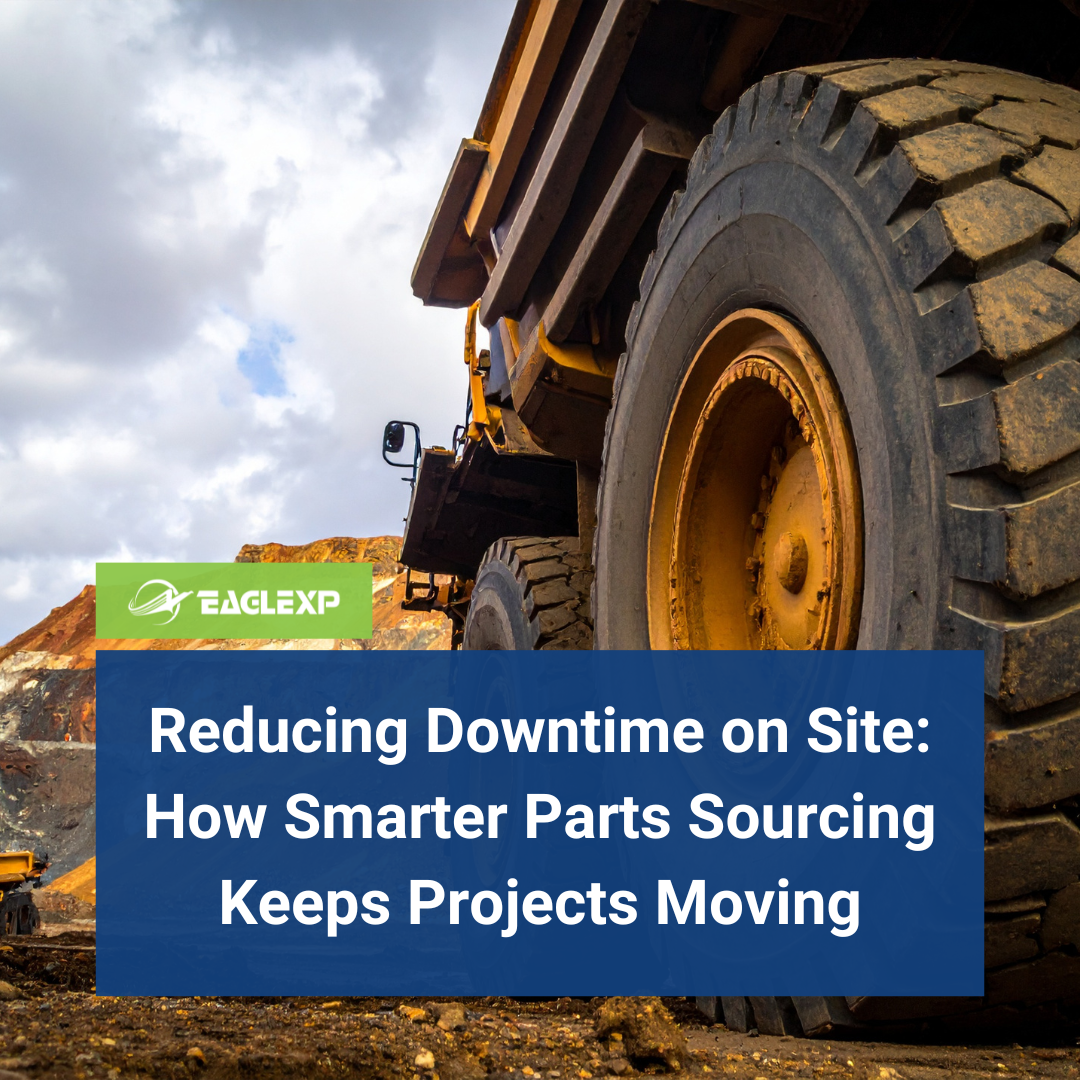
In heavy industries, downtime doesn’t just affect one site; it impacts entire supply chains. A single machine failure can stall operations, delay projects, and lead to missed deadlines or contractual penalties.
According to industry studies, unplanned equipment downtime can cost up to $20,000 per hour in lost productivity for large-scale operations. And while breakdowns are sometimes unavoidable, many can be prevented through routine servicing and condition monitoring.
A solid preventative maintenance plan, supported by manufacturer recommendations and telematics data, helps identify small issues before they become major failures.
Data-Driven Maintenance with Smart Telematics
Today’s leading machinery brands are transforming maintenance through advanced telematics and monitoring systems. These tools deliver real-time insights into machine health, fuel usage, idle time, and operator behaviour.
- Caterpillar VisionLink connects your fleet to a central dashboard, allowing managers to track performance and schedule maintenance before problems arise.
- Komatsu Komtrax provides detailed analytics on load history, oil pressure, and component wear, all accessible remotely from your phone or computer.
By leveraging these systems, businesses can shift from reactive repairs to predictive servicing, reducing downtime, lowering costs, and improving safety outcomes. For example, telematics data might flag an abnormal hydraulic pressure reading, prompting a technician to replace a seal before a failure occurs. That small fix could prevent hours of lost work and thousands in repair costs.
Genuine Parts and Regular Servicing Matter
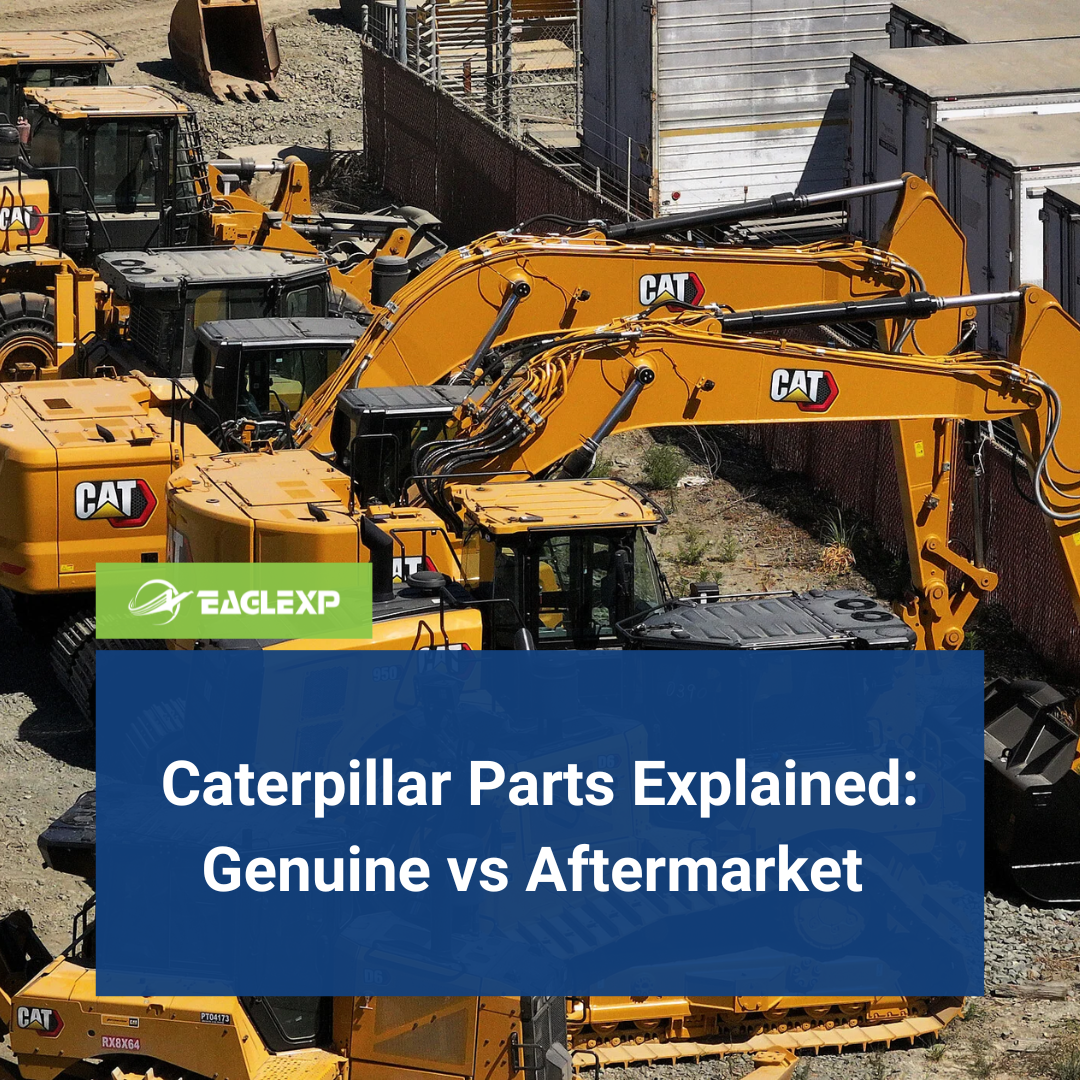
Not all parts are created equal. While aftermarket components can seem cheaper upfront, they often come at the cost of reduced reliability and shorter service life. Genuine OEM parts are engineered specifically for the equipment they’re designed for, ensuring correct fit, consistent performance, and better protection against wear. Using authorised parts also helps maintain manufacturer warranties and ensures compatibility with onboard systems like telematics and diagnostics.
Routine servicing, following the manufacturer’s recommended intervals, keeps fluids clean, filters efficient, and engines operating smoothly. For high-hour fleets, tracking maintenance schedules digitally through fleet management software makes compliance easier and more transparent across teams.
The Human Factor: Training and Operator Awareness
Even the most advanced machine relies on the person behind the controls. Poor operation habits, such as overloading, hard braking, or excessive idling, can accelerate wear and tear dramatically.
That’s why operator training is a critical element of any maintenance strategy. Skilled operators not only handle equipment safely but also identify unusual sounds, vibrations, or performance changes early, helping technicians respond before damage spreads.
Some companies now integrate telematics feedback into their training programs, using real performance data to coach operators on fuel efficiency and machine handling. This combination of human expertise and digital insight leads to safer, longer-lasting equipment.
Sustainability Through Smarter Maintenance
Preventative maintenance isn’t just about productivity; it’s about sustainability. Well-maintained machinery runs more efficiently, uses less fuel, and produces fewer emissions.
With environmental regulations tightening and carbon reduction becoming a priority, keeping machines in top condition is one of the simplest ways to reduce a company’s footprint.
Leading brands like Volvo Construction Equipment are developing electric and hybrid machines that rely heavily on precise maintenance to maintain peak performance.
By extending machine lifecycles and preventing premature component failure, companies can reduce waste, lower operating costs, and support greener project outcomes while protecting their bottom line.
Building a Maintenance Culture
Ultimately, preventative maintenance works best when it’s part of company culture, not just a checklist. Successful operations foster a mindset where every operator, mechanic, and manager understands the importance of equipment health.
Key steps include:
- Digital tracking: Use cloud-based systems to log inspections and upcoming service intervals.
- Communication: Encourage operators to report minor issues immediately.
- Partnerships: Work closely with trusted suppliers for genuine parts and reliable servicing support.
A proactive approach helps you avoid the high cost of reactive maintenance while ensuring every machine performs to its full potential.
Final Thoughts
In industries where uptime equals income, preventative maintenance is the key to consistent performance and profitability. By combining smart technology, genuine parts, and skilled operators, businesses can extend equipment.
Looking for smarter machinery or technology-backed equipment solutions for your next project?
Get in touch with us — we’ll help you source the right gear, fast.


Leave a comment