
How Energy and Technology Are Transforming Heavy Machinery
| Author: EagleXP
Heavy machinery has always been the backbone of construction, mining, agriculture, and civil projects. But as technology continues to evolve, the industry is entering a new era where equipment is becoming smarter, cleaner, and more connected than ever before.
From electric-powered machines and advanced battery systems to predictive maintenance and connected job sites, today's innovations are changing how businesses operate and maintain their fleets.
The Shift Towards Electrification
For decades, diesel engines have powered heavy equipment across Australia and around the world. While diesel remains essential for many applications, manufacturers are increasingly investing in electric and hybrid alternatives as technology improves and sustainability goals become more important. Industry leaders are now collaborating on solutions that combine electric machinery, charging infrastructure, and energy management systems to support the transition toward lower-emission job sites.
Electric machinery offers several potential advantages:
- Reduced fuel consumption
- Lower operating emissions
- Quieter operation on site
- Fewer moving parts requiring maintenance
- Improved energy efficiency
While large-scale mining and remote operations may still rely heavily on traditional powertrains for the foreseeable future, electric technology is becoming increasingly practical for urban construction, civil works, and controlled site environments. Industry research suggests the market for electric construction equipment is expected to grow significantly over the next decade as battery technology and charging infrastructure continue to improve.
Smarter Machines, Smarter Decisions
Technology is no longer limited to what's under the hood.
Modern heavy equipment is increasingly equipped with telematics systems that collect and transmit real-time operating data. This allows fleet managers to monitor:
- Fuel consumption
- Engine performance
- Idle time
- Service intervals
- Machine health
- Operator behaviour
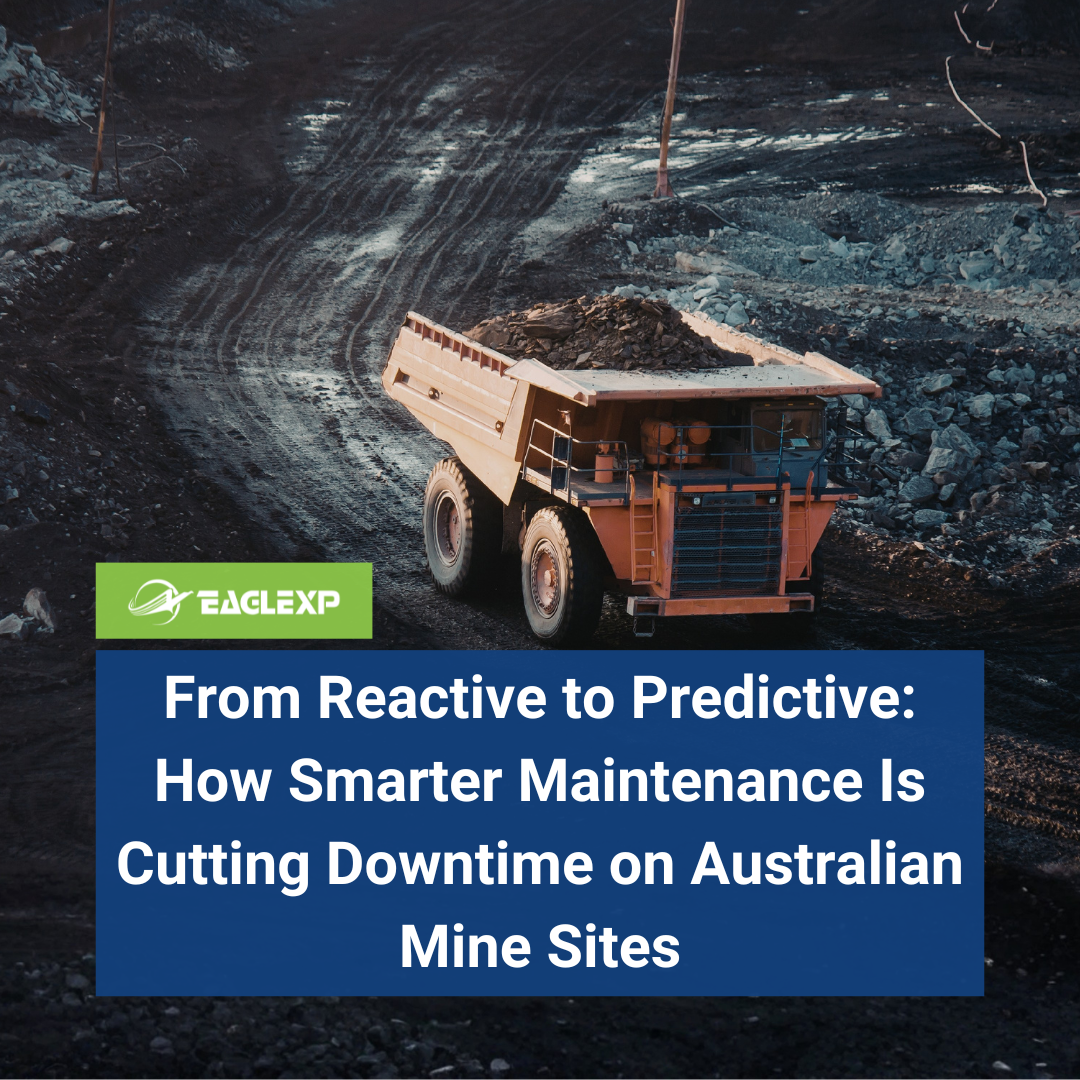
Rather than waiting for a breakdown, businesses can identify issues before they become costly failures.
This shift toward predictive maintenance helps reduce downtime, improve equipment reliability, and maximise asset life—particularly valuable in industries where every hour of lost production can have a significant impact on profitability.
The Rise of Connected Job Sites
The future of heavy machinery extends beyond individual machines.
Manufacturers and technology providers are increasingly focusing on connected worksites, where equipment, power infrastructure, maintenance schedules, and operational planning work together as a single system. Industry partnerships are emerging to develop integrated solutions that combine machinery, charging networks, energy management, and digital monitoring into one connected ecosystem.
The goal is simple:
Create safer, more productive, and more efficient operations.
Connected sites can help project managers make faster decisions, allocate resources more effectively, and minimise unexpected downtime.
Sustainability Without Sacrificing Productivity
For many businesses, sustainability is no longer just a corporate objective—it's becoming a customer expectation.
Project owners, government agencies, and investors are placing increasing emphasis on environmental performance and operational efficiency. As a result, equipment manufacturers are investing heavily in technologies that reduce emissions while maintaining the productivity operators rely on every day.
Importantly, the focus is no longer simply on creating individual pieces of equipment. The industry's attention is shifting toward complete solutions that balance productivity, reliability, energy use, and environmental outcomes.
What This Means for Equipment Owners
While fully electric fleets may still be years away for many Australian operations, the direction of the industry is clear.
Businesses that embrace technology-driven maintenance, utilise machine data, and stay informed about emerging equipment innovations will be better positioned to improve efficiency and reduce operating costs.
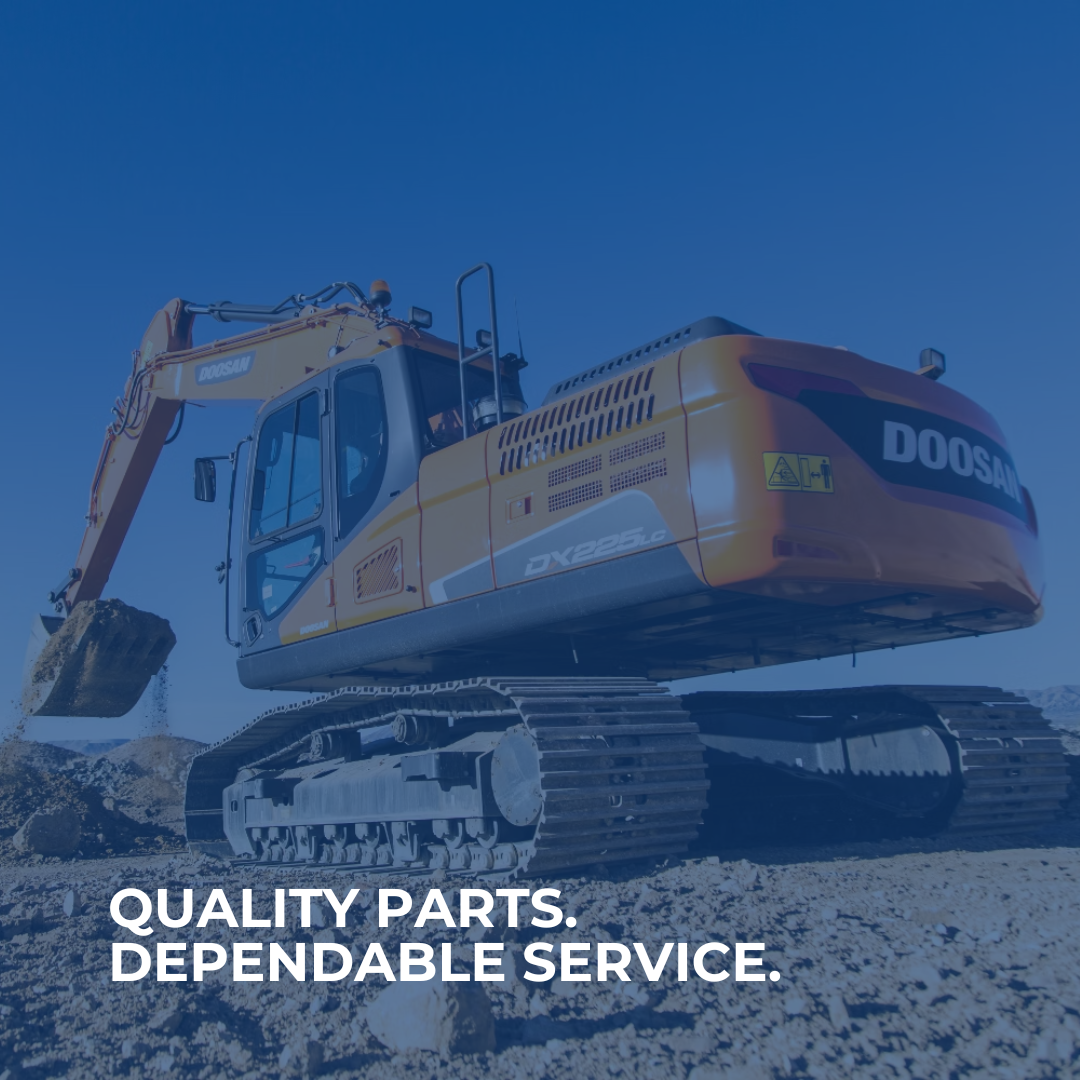
Whether it's a diesel excavator equipped with advanced telematics or the next generation of electric machinery, the future of heavy equipment is becoming increasingly connected, intelligent, and energy-efficient.
Looking Ahead
The heavy machinery industry has always adapted to new challenges, from larger machines and improved hydraulics to automation and digital monitoring.
Today's focus on electrification, connectivity, and energy management represents the next step in that evolution.
As technology continues to advance, businesses that understand these trends will be better equipped to maximize uptime, improve productivity, and get the most value from their equipment for years to come.
Looking for dependable parts solutions that help reduce downtime across mining, construction, and agriculture?
Get in touch with us and we’ll help you keep your equipment running when it mattersmost.



Leave a comment